The Heredity Font: A Maker's Favorite for Creative Product Designs
There's a moment, just before I click 'print,' when I hold my breath. It’s the moment when a design transforms from an idea on my screen into something tangible, something that will be held in someone's hands. Recently, that moment has been filled with the warm, friendly curves of Heredity. I was working on a set of soy candle labels, aiming for a natural, handcrafted feel that matched the essence of the product. The standard fonts in my library felt too rigid, too digital. Then I tried Heredity. As I typed out the scent name—‘Bergamot & Lavender’—the letters flowed together with a gentle, unhurried grace. It wasn't just a font; it felt like the perfect handwritten note to accompany my creation.
The Creative Personality of Heredity
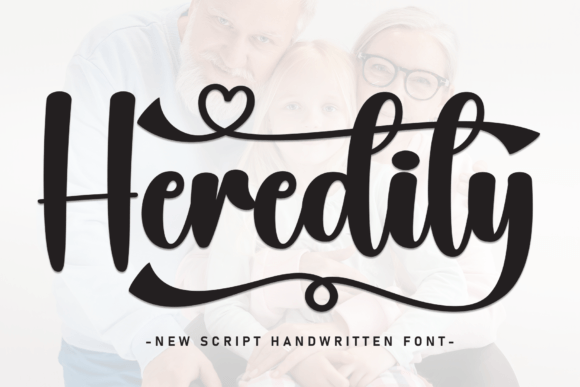
Heredity is a sweet and genuinely friendly script font. Its charm lies in its natural variation; the letters aren’t perfectly uniform, which gives it an authentic, human touch. This isn't a formal, calligraphic script. It’s more like the comfortable, confident handwriting of someone who enjoys creating. The overall mood is warm, approachable, and incredibly versatile. For makers and sellers, this personality translates directly into product appeal. A font like Heredity can soften a design, add a touch of personal care, and make your items feel more bespoke, even when produced in batches.
This makes it incredibly fitting for a massive pool of designs, as the product description says. The only limit is your imagination, and I’ve found that to be true as I’ve explored its uses across my shop materials.
Bringing Products to Life with Heredity
For physical, handmade products, presentation is everything. The font on a label or tag is a silent ambassador for your brand’s quality and style.
Labels, Tags, and Packaging
Heredity shines on small-scale text. It's perfect for product names on candle labels, artisan soap wrappers, or honey jar tags. I use it for the main headline text on my boutique packaging stickers—simple phrases like ‘Handmade With Care’ or ‘For You.’ Because it’s a display font, it’s best for short, impactful phrases rather than long paragraphs. This works beautifully for branding elements. On a tote bag or a mug design, a single word like ‘Create’ or ‘Gather’ in Heredity conveys a whole ethos.
Stationery and Paper Goods
This is where Heredity truly feels like a partner in the creative process. Designing a set of wedding invitations? The bride and groom’s names in Heredity on the welcome sign or the ceremony details card add an intimate, personal layer. For greeting cards, whether digital printables or physical cards, it elevates the message. ‘Happy Birthday’ or ‘Thank You’ written in this font feels more sincere. For seasonal products, like printable wall art for autumn or holiday gift tags, Heredity’s friendly style adapts easily—it’s warm enough for Christmas and fresh enough for spring.
Digital Downloads and Mockups
As a printable creator, the font you use in your template previews is crucial. It sets the tone for the entire product. Heredity is excellent for titles on planner pages, headers on digital recipe cards, or decorative wording on wall art prints. It makes your digital download look polished and creative in the listing images, which helps customers visualize its use.
Practical Advice for Makers
Using a handwritten font like Heredity in real-world production requires a bit of thoughtful application.
Readability and Scale
Always test your design at the actual print size. For very small stickers or intricate details on a cutting machine project like a vinyl decal for a sign, ensure the text isn’t too condensed. Heredity’s open, clear letterforms generally work well, but I always print a test on plain paper first. For longer text on things like invitation details, I pair Heredity with a clean, simple sans serif font for the body. This keeps the decorative appeal for the headlines while maintaining perfect readability for the important information.
Font Pairing for Cohesive Designs
A standalone script can sometimes feel unbalanced. Heredity pairs beautifully with a minimalist sans serif—think of fonts like Avenir or Montserrat—for a modern, clean look. For a more classic, editorial feel, try it with a light serif font. This pairing strategy creates a hierarchy in your design, letting Heredity be the emotional highlight while the supporting font handles the practical text.
Technical Checks Before Selling
If you’re selling physical products, templates, or merchandise using Heredity, confirming the licensing details is a essential step. Ensure your license covers commercial use. Check the included file formats for compatibility with your software—whether you’re using Adobe programs, Procreate, or cutting machine software like Silhouette Studio. Look for any special features like alternates or ligatures that can add even more uniqueness to your designs. Also, verify multilingual support if your market requires it. These checks protect your business and ensure your creative process is smooth.
The Impact on Your Brand and Audience
Choosing a font like Heredity isn’t just a design decision; it’s a branding decision. Consistent use across your labels, cards, packaging, and social media graphics builds a recognizable visual identity. Customers start to associate that warm, handwritten style with your shop. It creates an emotional appeal—your products feel personal, crafted, and intentional. This engagement is subtle but powerful. In a world of mass-produced, generic typography, a carefully chosen premium font like Heredity signals care and quality.
From the wedding planner using it for a rustic welcome sign to the candle maker printing their spring collection labels, Heredity becomes more than a tool. It becomes part of the story we tell through our products. It’s the first touchpoint, the visual handshake, that says, “This was made with thought and joy.” And for a maker, that’s everything.